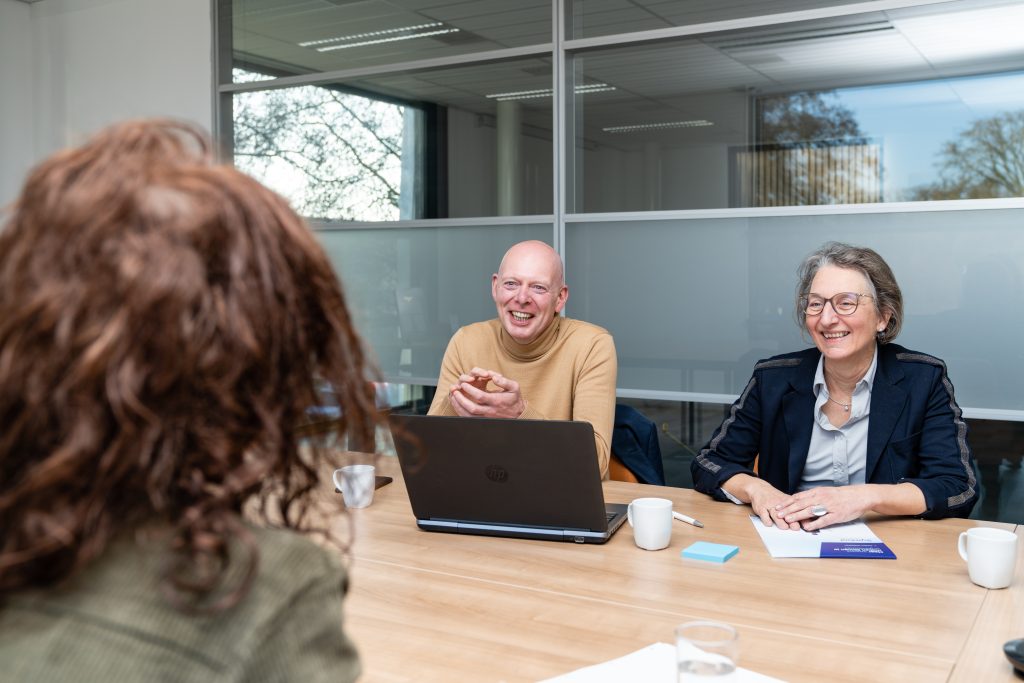
What is Performance Management?

Performance Management focuses on defining, measuring, discussing and improving performance within teams and processes. By establishing clear objectives and KPIs, insight into results is created and it becomes visible where adjustment is required.

Within Lean organisations, this often takes place via stand-up meetings, also known as performance dialogues or Lean Daily Management. Teams discuss current performance, deviations and improvement actions based on visual information on the shop floor. This creates a rhythm in which employees, team leaders and managers steer performance and continuous improvement together.

standup meeting

What are the components of Performance Management?

The four questions below form the core of the Improvement Kata within Lean management. They connect performance management with a fixed, daily routine for goal-oriented improvement.

cimm performance management

1. What is the standard or objective?

If no one can indicate what a good performance entails, the subsequent steps have little meaning. Therefore, make it clear what the desired performance level is.


cimm performance management

2. What is the current performance?

Make performance visible via communication boards, dashboards or other visual means. This allows the team to see at a glance where they stand in relation to the goals.

cimm performance management

3. What is the deviation?

Determine the difference between the current performance and the standard. By specifically naming this deviation, a problem is created that can be investigated and solved in a targeted manner.

cimm performance management

4. What will be the next step?

When performance lags behind, improvement actions are determined, assigned and followed up. This creates ownership and makes performance management part of daily improvement.


Implementing Performance Management

Symbol helps organisations to implement Performance Management practically on the shop floor. Together with managers and employees, we determine clear goals and relevant KPIs.

Current performance, deviations and improvement actions are made visible on communication boards or dashboards. Subsequently, we introduce a fixed rhythm of daily or weekly stand-up meetings.

Teams discuss what the standard is, what the current performance is, which deviations exist and what the next step will be. Symbol facilitates the performance dialogue, helps to clearly assign responsibilities and supports the follow-up of actions. In this way, ownership, daily management and continuous improvement are structurally anchored within the organisation.

performance management meeting
Chat met Symbi